
Benefits of XPS: How Surface Analysis Can Improve Your Materials Research
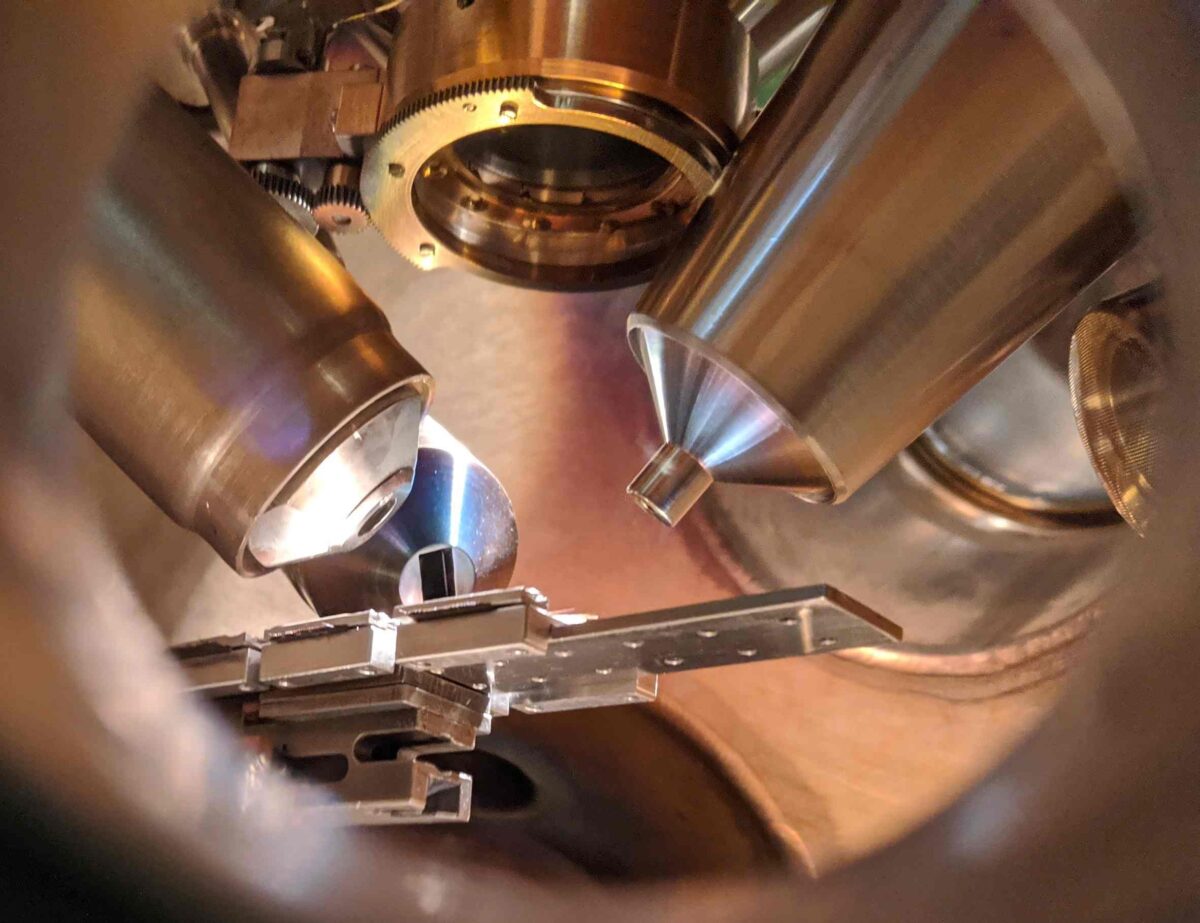
Surface analysis is an integral aspect of materials research, providing a better understanding of the composition of the structure, and material properties at a microscopic level. X-ray Photoelectron Spectroscopy (XPS) stands out in a myriad of techniques available due to its unmatched precision and versatility. Also known as Electron Spectroscopy for Chemical Analysis (ESCA), XPS is a quantitative spectroscopic method that determines the elemental constitution, empirical formula, chemical state, and electronic state of the elements contained in a material. That said, let’s look into the various benefits of XPS and ways it can considerably improve your material research.
Understanding XPS: The Basics
XPS uses the principle of the photoelectric effect which involves the irradiation of materials with X-rays to emit photoelectrons from their surfaces. XPS analyses the energy and number of electrons emitted, which in turn helps determine the elements therein, their quantities as well as their chemical states. This capability makes XPS a vital tool for an extensive range of applications in chemistry, engineering, material science and physics.
Detailed Elemental Analysis
One of the remarkable benefits of XPS is its capacity to offer comprehensive elemental analysis of a material surface. It can detect every element besides hydrogen and helium, making it an all-round tool for surface characterization. This aspect is especially valuable in areas including but not limited to catalysis, corrosion and semiconductor research, where having proper insights into surface composition is a necessity.
For instance, in corrosion studies, XPS can detect the existence of oxides and any other corrosion products on metal surfaces. This information is crucial for the establishment of more corrosion-repellant materials. Likewise, in semiconductor research, XPS can examine the surface anatomy of thin films and interfaces, which is essential for enhancing device performance.
Chemical State Information
Besides the discovery of elements, XPS offers details about their chemical composition. This implies that it can differentiate between various oxidation states and chemical environments. For example, XPS can distinguish between oxidized, metallic, and nitrided states of the same element, providing a detailed understanding of the chemical reactions taking place at the surface.
This capacity is mainly essential in catalysis research, where the chemical state of surface atoms greatly affects catalytic activity. Through the application of XPS to observe these states, researchers can come up with more viable catalysts and improve reaction conditions.
Surface Sensitivity
XPS is intrinsically surface sensitive, usually probing the top 1-10 nanometers of a material. This renders it suitable for analysing thin films, coatings and surface alterations. In materials research, where surface properties determine the overall material performance, this level of sensitivity is vital.
For example, in the manufacture of protective coatings, XPS can study the composition and resemblance of the coating, ensuring it meets the required specifications. In the semiconductor industry, XPS can evaluate the quality of gate oxides and other essential layers, resulting in the production of more dependable electronic devices.
Depth Profiling
Although XPS is mainly a surface analysis method, it can also offer depth profiling through ion sputtering. By progressively removing layers of material with a focused ion beam and studying the newly exposed surface, XPS can establish a depth profile of elemental composition and chemical states. This is crucial for analysing multilayer structures, diffusion processes and interface chemistry.
For instance, in battery research, depth profiling with XPS can show how elements move through various battery layers during operation. This information guides the development of more efficient and durable batteries.
Quantitative Analysis
XPS is a quantitative method providing qualitative information as well as a moderate concentration of elements on the surface. This quantitative quantitative capability is crucial for multiple applications, from ratifying the composition of nanomaterials to guaranteeing the purity of thin films.
In quality control, XPS can certify that a material meets its required composition, ensuring consistency and reliability in production. In nanotechnology, it can validate the availability and distribution of elements within nanoparticles, helping in the design of progressive nanomaterials.
Non-Destructive Analysis
One of the key advantages of XPs is that it is a non-destructive technique, which implies that it does not significantly alter the material being studied. This is crucial for preserving samples for further testing and analysis. A non-destructive analysis is mainly beneficial when working with valuable or limited samples including forensic investigations and cultural heritage studies.
Applications Across Industries
The adaptability of XPS makes it usable across an extensive range of industries. For instance, in the pharmaceutical industry, XPS can study the surface composition of drug delivery systems, ensuring their efficacy and safety. In the aerospace industry, XPS can study the surface properties of materials exposed to extreme conditions, aiding in the development of more durable components.
Enhancing Research and Development
In research and development, XPS plays a pivotal role in accelerating innovation. By providing detailed insights into surface chemistry, XPS helps researchers understand material behaviours, optimize processes, and develop new materials with enhanced properties. This accelerates the development cycle and brings new products to market faster. Wintech Nano, a leader in surface analysis technologies, has leveraged XPS to push the boundaries of materials research, leading to groundbreaking advancements in various fields.
Real-World Case Studies
To further illustrate the benefits of XPS, consider a few real-world examples:
- Energy Storage: In the development of next-generation batteries, XPS has been used to study the interfaces between electrodes and electrolytes. By understanding how these interfaces evolve during battery cycling, researchers can design batteries with higher capacities and longer lifespans.
- Environmental Science: XPS has been employed to analyze pollutants on environmental surfaces. By identifying the chemical states of pollutants, scientists can develop more effective remediation strategies to clean up contaminated sites.
- Biomaterials: In the field of biomaterials, XPS has been used to study the surface chemistry of implants. By understanding how the surface composition affects biocompatibility, researchers can develop implants that are less likely to be rejected by the body.
Conclusion
X-ray Photoelectron Spectroscopy (XPS) is a powerful tool that offers comprehensive elemental and chemical state analysis, surface sensitivity, depth profiling, quantitative analysis, and non-destructive testing capabilities. Its applications span across various industries, making it an invaluable asset in materials research.
By leveraging XPS, researchers can gain profound insights into the surface properties of materials, leading to the development of better-performing materials and products. Whether you are in academia or industry, incorporating XPS into your research toolkit can significantly enhance your materials research and drive innovation. With the advancements brought by the leading laboratories, the future of materials research looks brighter than ever.
